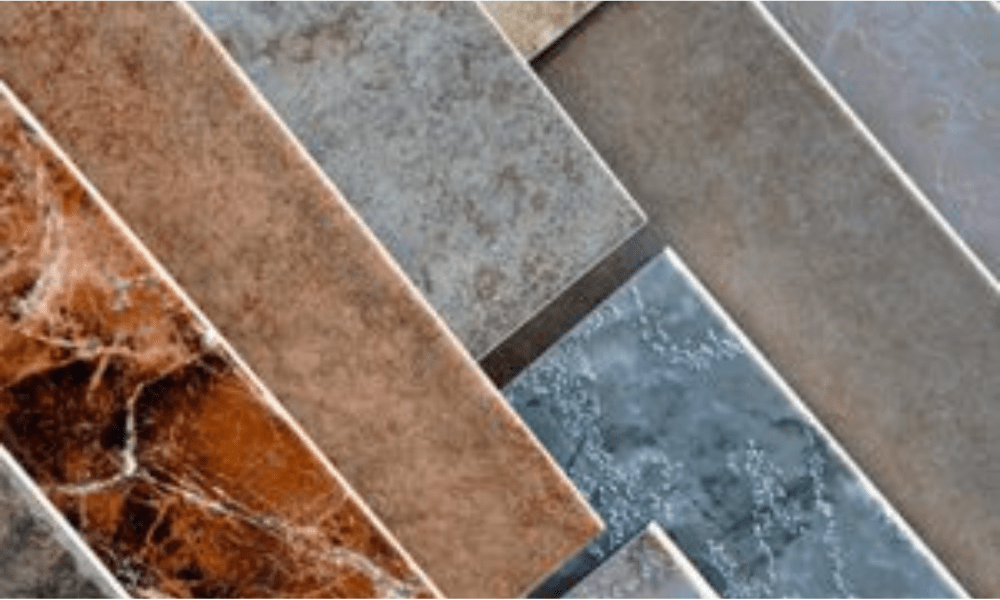
Choosing the right tile for your home’s flooring involves considering both style and functionality. When homeowners compare flooring options for kitchens, bathrooms, and other home areas that might use tile flooring, the debate between ceramic and porcelain tile often takes center stage.
Both types offer unique benefits, but understanding their differences in durability, appearance, maintenance, and cost can help you select the best fit for your home.
Whether you’re renovating a single room or reimagining your entire space, this guide compares porcelain vs. ceramic tile to provide insights to help you make an informed choice.
Understanding Ceramic and Porcelain Tiles
Ceramic and porcelain tiles start with the same basic ingredient: clay. But that’s where the similarities end.
Ceramic tiles mix red, brown, and sometimes white clay. However, they primarily contain red clay, which has more organic matter, large particles, and higher levels of iron oxide, giving ceramic its signature red color. The general ingredients of ceramic tiles are clay, minerals, and water.
Porcelain usually only contains white clay, sand, and feldspar and is heated at a higher temperature during glazing. This extra step makes porcelain denser and less porous than its ceramic counterpart. It also is less likely to shrink or warp during the firing process.
The key difference? Water absorption. Porcelain’s density, caused by the finer mixture of particles in white clay, makes it practically waterproof and perfect for moisture-prone areas like bathrooms and kitchens. While still tough, ceramic tiles are more porous and better suited for drier spaces in your home.
Durability Face-Off: Porcelain vs. Ceramic
Regarding toughness, porcelain is the more reliable choice for homeowners. Its density and low porosity make it resistant to chips and cracks, even in high-traffic areas. Think entryways, hallways, and even outdoor spaces.
Ceramic tile is still a great option and offers a cost-effective flooring solution and are reasonably durable, but they’re more likely to show wear and tear over time, especially in busy areas. They’re a solid choice for moderate-traffic spaces like living rooms and bedrooms.
Remember, though, that proper installation and subfloor prep can determine the longevity of both tile types.
Style and Design
Both ceramic and porcelain tiles offer an array of design possibilities. Ceramic tile flooring shines in the variety department with endless colors, patterns, and textures. It’s your go-to for creating eye-catching mosaics or bold, colorful statements.
Although porcelain tile flooring might have fewer design options, it excels at mimicking natural materials. Porcelain is an excellent alternative to hardwood or stone flooring, particularly when you desire a lower-maintenance alternative to either material. Its realistic textures and finishes can elevate any space, from rustic charm to sleek minimalism.
Keeping It Clean
Porcelain’s low porosity is also helpful for purposes beyond water resistance. Stains have a tough time penetrating the surface, and regular sweeping with occasional mopping is usually enough to keep them looking fresh. Because porcelain is so dense, it’s less likely to harbor bacteria or mold, making it an excellent choice for households with kids or pets.
Ceramic tiles need more TLC, especially in damp areas like bathrooms. Sealing grout lines fends off stains and moisture, as the porous grout can absorb dirt and water.
For both tile types, periodic deep cleaning can help maintain their luster and extend their lifespan. Avoid harsh chemicals, as they can damage the finish.
Counting the Cost
Budget plays a significant role in any flooring decision. Ceramic tiles are generally priced lower, making them attractive for budget-conscious renovations. However, due to their lower durability, they require more long-term care to extend their longevity.
Porcelain tiles often come with a higher upfront cost, but their durability and low maintenance needs can offer better long-term value. When comparing the cost of the two, factor in the tile’s lifespan and how it fits your space’s needs.
Making the Right Choice for Your Home
Ceramic and porcelain tiles each have unique strengths, making them suitable for different spaces in your home. Ceramic offers value with its affordability and design range, which makes it ideal for moderate-traffic areas. Porcelain’s durability, water resistance, and low-maintenance appeal make it perfect for high-traffic areas.
Your decision should be based on your specific needs, style preferences, and budget. If you’re still trying to decide which option is right for you, let the experts at Best Price Flooring guide you.
We offer a wide selection of ceramic and porcelain tiles, and can offer you personalized advice to help you find the perfect fit for your home. Visit Best Price Flooring or call us at (702) 470-2727 to speak with a flooring professional today.